The Scoop: Eli Lilly defends presence at Vogue World
Plus: Liquid Death sells its brand voice; Prada appeals to the elite with luxury events.

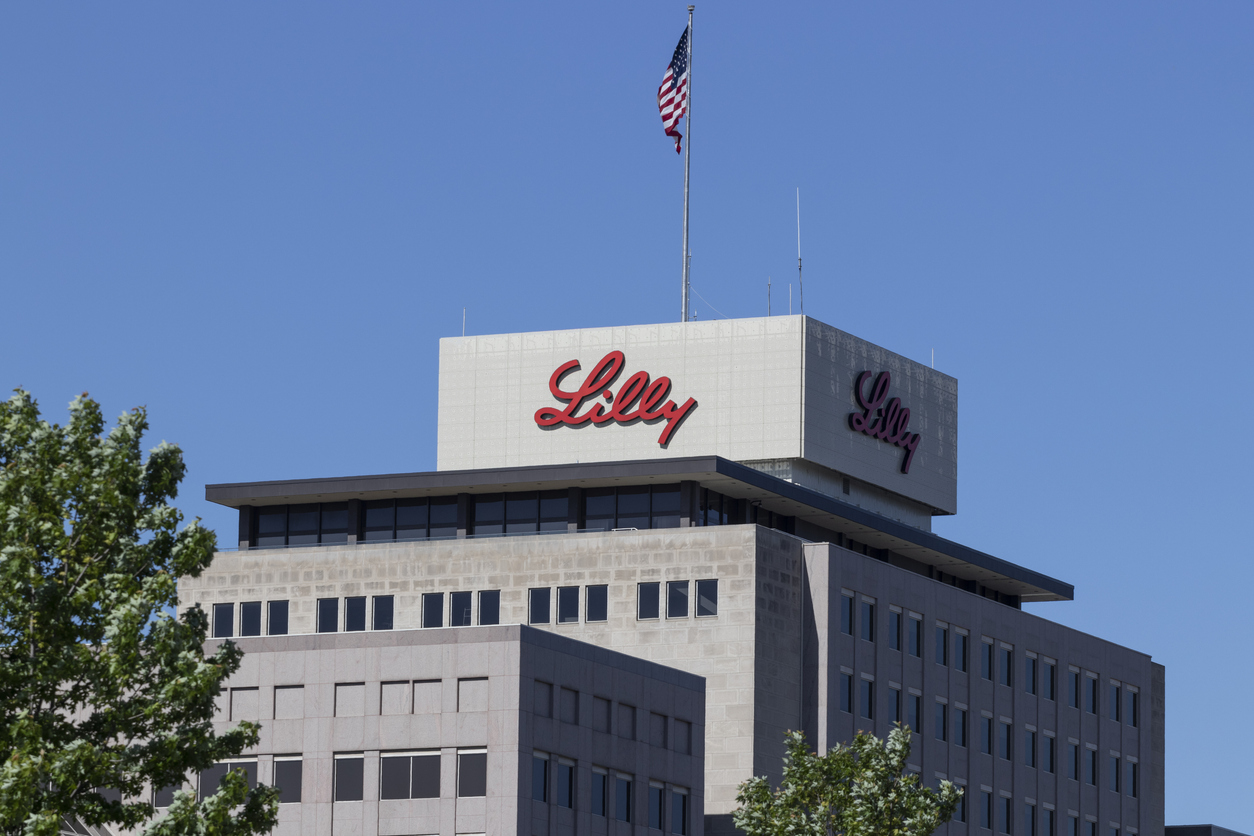
Eli Lilly is facing criticism over its sponsorship of Vogue’s annual immersive fashion event Vogue World after health advocates questioned whether a major weight loss drug maker should be closely tied to one of fashion’s biggest events.
The Guardian reports Lilly, which makes Mounjaro and the weight-loss pill Foundayo, was named as a “fashion adjacent” sponsor of Vogue World in Milan. The partnership didn’t explicitly promote either drug, but critics say the association still sends a message. Rutgers professor Charlotte Markey said it could normalize the idea that medically changing your body is another “beauty or wellness choice.”
A Condé Nast source said the partnership focused on Eli Lilly’s overall corporate brand, not a particular drug.
An Eli Lilly spokesperson defended the partnership:
“This sponsorship is part of our 150th anniversary – 150 years of putting health above all. Health is what gives all of us the freedom to move, explore, and be present.
“We partner with cultural platforms like Vogue because that is where conversations about bodies and health take place. Lilly is working to shift the conversation about weight from aesthetics to health and to challenge the stigma people with obesity face every day.”
Why it matters: This goes to show that communicators can’t fully control what people read into or associate with brand pairings.
Lilly never promoted Mounjaro at Vogue World. But the combination of a company known for weight loss drugs and an industry with a long history of promoting thinness created its own message for critics.
Before signing onto an event or partnership, communicators need to think past the official campaign language and ask what audiences might assume from seeing the two names together.
Lilly’s response also shows there are limits to explaining intent. The company says the goal is to move the conversation from appearance to health, but critics are responding to the symbolism of the partnership itself.
Communicators need to think about what story partnerships might tell before they say anything at all. Instead of being to a health conversation, this has become a defense strategy about why they’re there.
Why is Liquid Death taking on clients?
Liquid Death’s in-house agency, Death Machine, has started working with a “few select brands” as external clients, CEO Mike Cessario told Semafor’s “Mixed Signals” podcast. The move turns its dark, irreverent brand voice into a service other companies can buy.
But Cessario made it clear that Liquid Death won’t take just any account.
“We don’t need the money,” he said, adding that the company expects to make about $5 million from merchandise alone this year. “If you want the Liquid Death magic, we can do that.” But if a brand wants the team to “just go make something that’s not good, that’s probably not interesting to us.”
The cool part about this is that the company sees its voice and creative point of view as valuable enough to sell on their own.
Strong brand voice is more than a tone guide. When it’s distinct, consistent and recognizable, it can become an asset people seek out specifically because they cannot easily recreate it themselves.
Cessario’s comments also highlight that protecting that voice sometimes means saying no. Liquid Death built its reputation by making work that feels unmistakably like Liquid Death. Taking on clients that water down that approach could weaken the very thing they are paying for.
Why is Prada offering luxury experiences to wealthy customers?
Prada is putting more focus on its wealthiest customers.
The fashion brand is offering top spenders private events, exclusive travel experiences and highly personalized products, including custom pieces that can cost up to $100,000.
CEO Andrea Guerra told The Wall Street Journal the goal is to create a deeper relationship with customers who want more than a recognizable luxury label.
“More and more, people don’t just want to wear a tag, but want to understand who is behind that tag,” Guerra said. “What we are trying to do is to make an emotional connection.”
This strategy is a reminder that effective audience engagement isn’t always about reaching more people. Sometimes it’s about understanding a smaller group that matters most and giving them an experience built around what they value.
Prada understands that a deeper connection with the right audience can be more valuable than its overall, broader reach.
What happened at Cornell?
Cornell University has responded to a lawsuit alleging that a former student was drugged and gang raped by seven Chi Phi fraternity members in 2024, according to The Cornell Daily Sun.
The university said its investigation concluded and that the fraternity’s Xi chapter “remains barred from our campus.”
Cornell declined to discuss discipline involving individual students, citing federal privacy law, while the Sun says they were temporarily suspended. The statement added that violations of university policy can lead to sanctions “up to and including suspension or expulsion” and said it would “respond in detail through the legal process.”
Cornell also pointed to changes made since the alleged assault, including a presidential task force on campus sexual assault and new efforts focused on prevention, transparency and student resources.
“We take sexual violence extremely seriously,” the university said.
Comms pros here are facing a situation where legal and privacy limits restrict what can be said, but stakeholders still expect clear answers. When you can’t answer every question, fill information gaps with the facts and actions you can share.
The university did share details of what it could confirm, what action had been taken and what has changed since. Time will tell if this is a strong enough stance for an issue this serious.